After Mexico got the 2026 FIFA World Cup underway on Thursday, we’re about to see another one of this summer’s co-hosts in action.
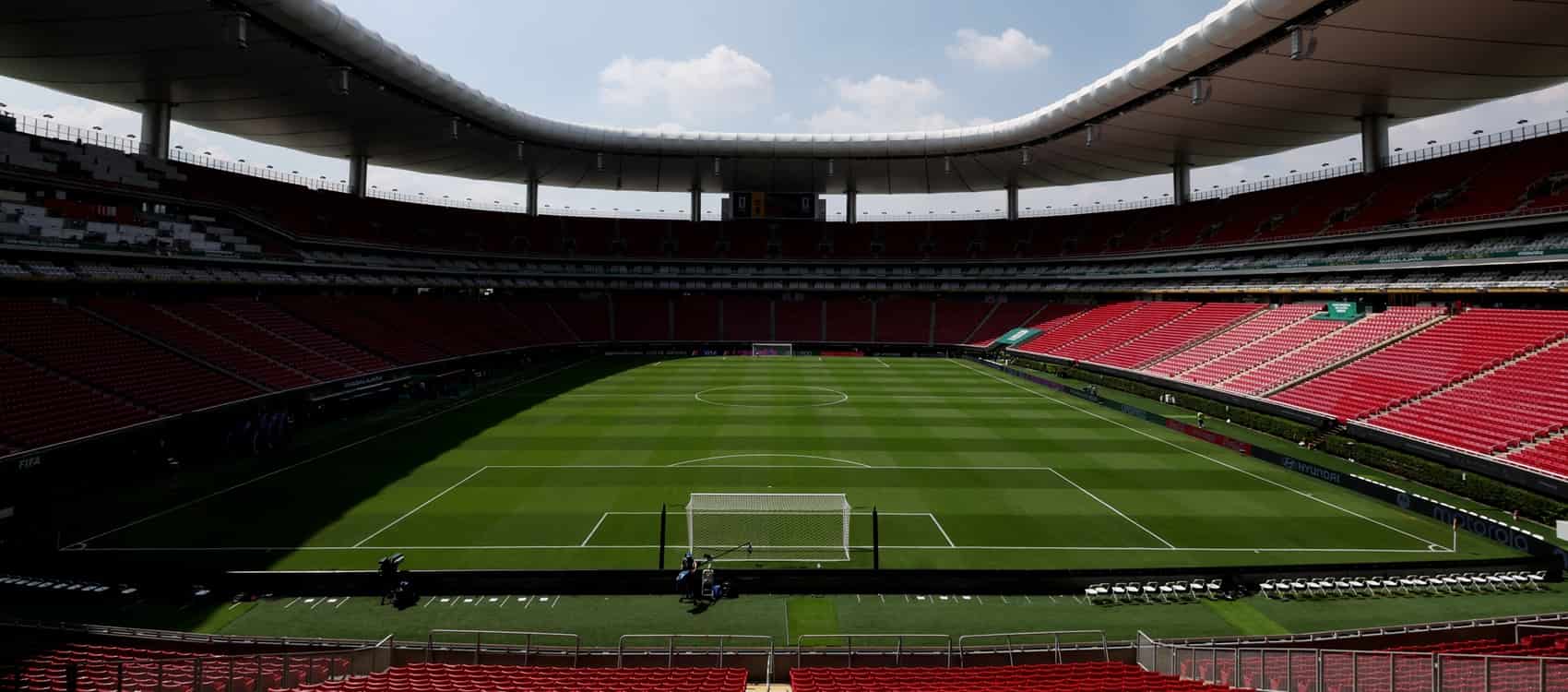
Canada kick off proceedings in Group B with a match against Bosnia-Herzegovina at the Toronto Stadium.
It all gets underway at 20:00 BST.
TEAM NEWS
Jesse Marsch has to do without his star player, Alphonso Davies ($4.9m), this evening. A hamstring injury rendered him unavailable for selection.
Despite it being known that Davies wouldn’t feature, the Bayern Munich defender still features in 4.2% of FIFA World Cup Fantasy squads.
There is one Canuck who is more widely owned: Maxine Crepeau ($4.0m).
The budget goalkeeper finds himself in 4.8% of Fantasy teams, so he qualifies for Scouting Bonus.
Forward Jonathan David ($7.0m) is the only other Canadian player who has an ownership of over 1%. He starts up top this evening.
The only two members of Bosnia-Herzegovina’s squad owned by 1% of managers or more are both substitutes.
Uncapped $3.5m goalkeeper Mladen Jurkas was never going to start but the omission of 40-year-old striker Edin Dzeko ($6.1m) is more notable, although he had missed both pre-tournament friendlies.
LINE-UPS
Canada XI: Crepeau, Laryea, Cornelius, De Fougerolles, Johnston, Millar, Eustaquio, Koné, Buchanan, Oluwaseyi, J David.
Subs: St Clair, Goodman, Jones, Waterman, Bombito, Davies, Sigur, Choiniere, Shaffelburg, Ahmed, Osorio, Saliba, Nelson, Larin, P David.
Bosnia-Herzegovina XI: Vasilj, Kolasinac, Muharemovic, Katic, Dedic, Memic, Tahirovic, Basic, Bajraktarevic, Lukic, Demirovic.
Subs: Jurkas, Ziomislic, Mujakic, Hadzikadunic, Radeljic, Malic, Gigovic, Sunjic, Hadziahmetovic, Burnic, Alajlbegovic, Mahmic, Bazdar, Dzeko, Tabakovic.

PakarPBN
A Private Blog Network (PBN) is a collection of websites that are controlled by a single individual or organization and used primarily to build backlinks to a “money site” in order to influence its ranking in search engines such as Google. The core idea behind a PBN is based on the importance of backlinks in Google’s ranking algorithm. Since Google views backlinks as signals of authority and trust, some website owners attempt to artificially create these signals through a controlled network of sites.
In a typical PBN setup, the owner acquires expired or aged domains that already have existing authority, backlinks, and history. These domains are rebuilt with new content and hosted separately, often using different IP addresses, hosting providers, themes, and ownership details to make them appear unrelated. Within the content published on these sites, links are strategically placed that point to the main website the owner wants to rank higher. By doing this, the owner attempts to pass link equity (also known as “link juice”) from the PBN sites to the target website.
The purpose of a PBN is to give the impression that the target website is naturally earning links from multiple independent sources. If done effectively, this can temporarily improve keyword rankings, increase organic visibility, and drive more traffic from search results.